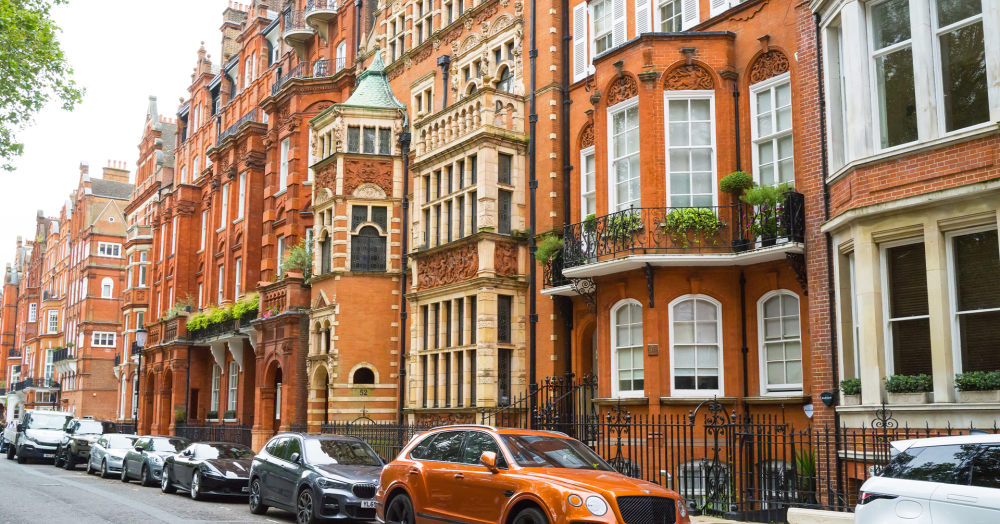
Resilient demand for Prime London rentals persists amidst a sluggish sales market
Anar Mossobir, Operations Director at Victorstone goes over the Prime London markets - the increasing rental market and the sluggish sales market.
In July, there was a 9.1% annual increase in rental growth across Prime London.
This percentage pushed rents to a level 28.4% higher than their pre-pandemic average from 2017 to 2019. While all regions and sub-markets experienced similar growth rates, the 'Prime Fringe' area had the most substantial yearly surge, reaching 12.3%.
Within the Prime London enclaves, the rental market displayed limited activity in July. The number of agreed lets saw a 23.5% annual decline, and there was a 5.3% decrease in new instructions.
Signs of recovery
Despite the persistently high demand, the inventory of available rental properties seems to be showing signs of recovery from its previous low point.
By the conclusion of July, there was a 25% increase in the number of rental properties accessible throughout Prime London in comparison to the previous year. However, this figure remains approximately 57% lower than the typical pre-pandemic level for this time of year.
Anar Mossobir, Operations Director at Victorstone, commented on these findings, stating: "The Prime London lettings market experienced a minor upturn in available inventory in July, yet this improvement is based on a previously low foundation. While new instructions diminished during July, agreed-upon lets decreased even further. In general, demand remains robust, particularly for more affordable properties."
Decline in activity for sales
Conversely, on the sales front, a decline in activity and values across the Prime London sales market during July.
Prices attained in July exhibited a 2.6% decrease compared to the same period last year, furthering the pattern of minimal substantial fluctuations observed since late 2021. Transactions during July experienced a decline of 26.1% compared to the corresponding month in the previous year, and a decrease of 9.1% compared to the average for July in the pre-pandemic period of 2017-2019.
Leading indicators in the sales market are also indicating a deceleration, undoing some of the favourable trends seen last month.
In July, the count of properties under offer dropped by 30% compared to the previous year, and new instructions saw a decline of 12.4% on the same basis.
The £5 million+ market
The market for properties valued at £5 million and above continues to exhibit distinct behaviour compared to the broader Prime London market. Nevertheless, there are indications that even this segment is slowing down following its robust performance in 2021 and 2022. Sales for July exhibited a 24% decrease compared to the previous year, yet the level of activity remains notably higher than the levels before the pandemic, boasting an increase of over 40%.
While new instructions in this specific market continue to show fluctuations, instances of transactions falling through and price reductions are on the rise.
Stay connected - Get market updates and property news straight to your inbox!
If you have any questions, get in touch and speak to a knowledgeable member of the team.